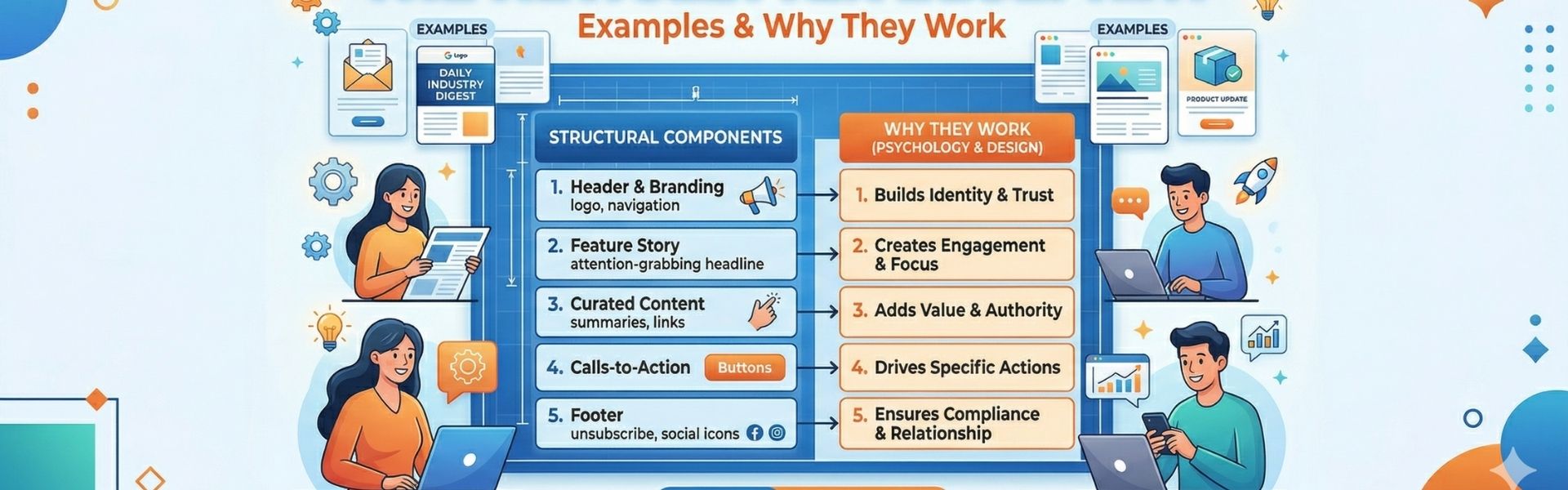
Your inbox is a battlefield. To win, your newsletter must move past “corporate blast” and tap into human psychology.
Here are the master tactics categorized by the science of why we click.
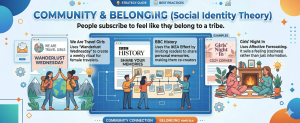
- Community & Belonging (Social Identity Theory)
People subscribe to feel like they belong to a tribe.
- We Are Travel Girls: Uses “Wanderlust Wednesday” to create a weekly ritual for female travelers.
- BBC History: Uses the IKEA Effect by inviting readers to share personal memories, making them co-creators.
- Girls’ Night In: Uses Affective Forecasting. It sells a feeling (coziness) rather than just information.
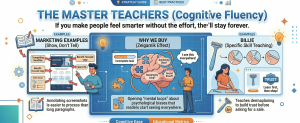
- The Master Teachers (Cognitive Fluency)
If you make people feel smarter without the effort, they’ll stay forever.
- Marketing Examples: Uses “Show, Don’t Tell.” Annotating screenshots is easier to process than long paragraphs.
- Why We Buy: Taps the Zeigarnik Effect by opening “mental loops” about psychological biases that readers start seeing everywhere.
- Billie: Teaches a specific skill (dermaplaning) to build trust before asking for a sale.
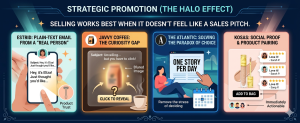
- Strategic Promotion (The Halo Effect)
Selling works best when it doesn’t feel like a sales pitch.
- Estrid: Uses Plain-Text emails from a “real person.” This human touch creates a “Halo Effect” of trust for the product.
- Javvy Coffee: Uses the Curiosity Gap. Blurring a new product image forces the reader to click to “resolve” the mystery.
- The Atlantic: Solves the Paradox of Choice. By sending exactly one story per day, they remove the stress of deciding what to read.
- Kosas: Pairs Social Proof (reviews) directly with the specific product mentioned, making it immediately actionable.
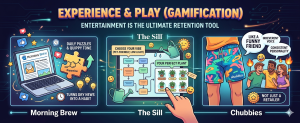
- Experience & Play (Gamification)
Entertainment is the ultimate retention tool.
- Morning Brew: Uses puzzles and quippy tones to turn dry business news into a dopamine-hitting daily habit.
- The Sill: Uses an Interactive Flowchart to help users “choose” a plant, making the recommendation feel personalized.
- Chubbies: Uses Consistent Personality. Their irreverent voice makes the brand feel like a “funny friend” rather than a retailer.
- Value-First Curation (Mere-Exposure Effect)
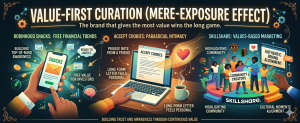
The brand that gives the most value wins the long game.
- Robinhood Snacks: Provides high-value financial trends for free. This builds Top-of-Mind awareness for when the user is ready to invest.
- Accept Cookies: Leverages Parasocial Intimacy. A design-free, long-form letter feels like a private note from a friend.
- Skillshare: Uses Values-Based Marketing. Highlighting community creators during cultural moments (like Juneteenth) signals authentic brand alignment.
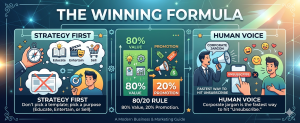
The Winning Formula
- Strategy First: Don’t pick a template; pick a purpose (Educate, Entertain, or Sell).
- 80/20 Rule: 80% value, 20% promotion.
- Human Voice: Corporate jargon is the fastest way to hit “Unsubscribe.”
Conclusion: Build for Humans, Not Algorithms
The inbox is crowded. Attention is scarce. And nobody wakes up hoping for another generic brand update. The newsletters that win are not louder. They are smarter.
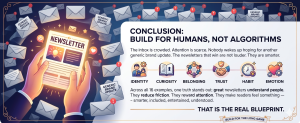
Across all examples, one truth stands out: great newsletters understand people. They tap into identity, curiosity, belonging, trust, habit, and emotion. They reduce friction. They reward attention. They make readers feel something — smarter, included, entertained, understood.
That is the real blueprint.
If you want your newsletter to survive the battlefield, remember this:
- Pick a purpose before a format. Are you educating, entertaining, or selling? Be intentional.
- Lead with value. Give first. Sell second.
- Sound human. Personality beats polish. Clarity beats jargon.
- Design for psychology. Use curiosity, social proof, ritual, and simplicity on purpose.
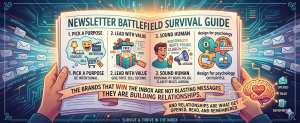
The brands that win the inbox are not blasting messages. They are building relationships.
And relationships are what get opened, read, and remembered.