
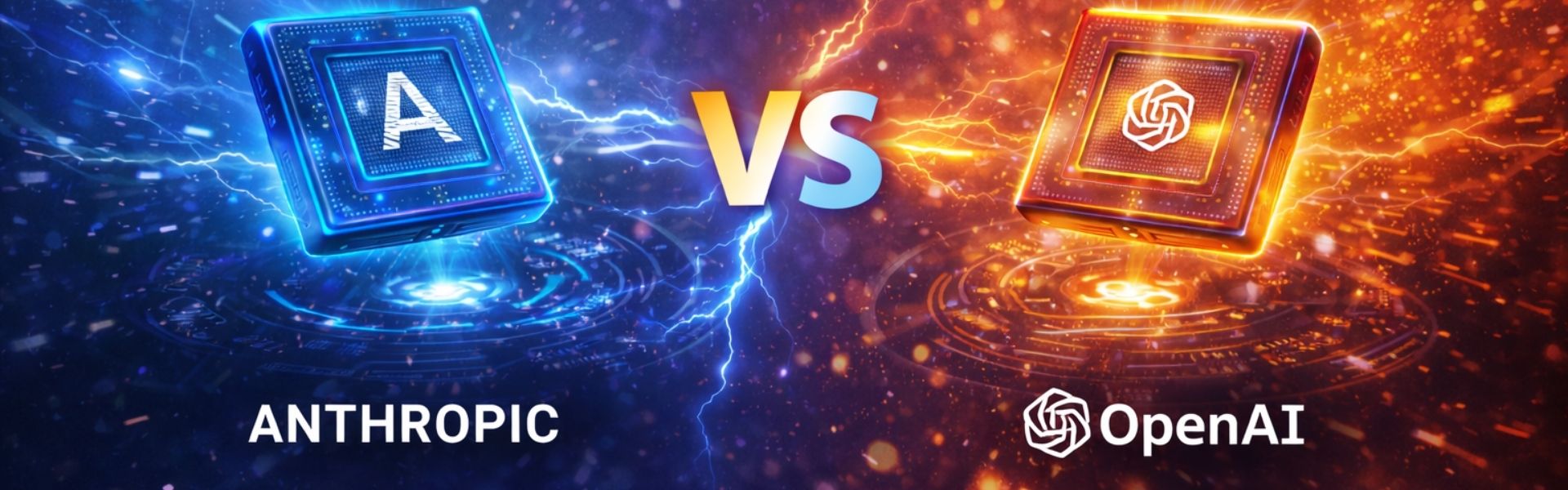
The AI arms race just hit a new level.
In a dramatic 20-minute window, both Anthropic and OpenAI unleashed powerful new models designed to supercharge productivity. The winner? Anyone using AI.
Here’s a direct breakdown of what dropped, what it does, and why it matters for your work.
- Anthropic’s New Powerhouse: Claude Opus 4.6
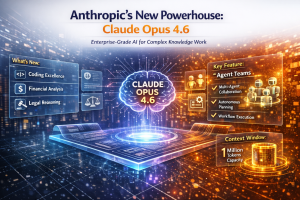
Anthropic launched Claude Opus 4.6, its most advanced model yet, specifically tuned for complex enterprise knowledge work.
- What’s New: It achieves top scores in coding, financial analysis, and legal reasoning. It plans responses better and needs less guidance for complicated workflows.
- Key Feature: “Agent Teams.” This research preview lets you hand a goal to a team of multiple AI agents who then plan, execute, and deliver the project together, instead of you guiding one step-by-step.
- Context Window: A massive 1M tokens for handling very long documents and sessions.
- OpenAI’s Counterpunch: GPT-5.3 Codex & Frontier
Just 20 minutes later, OpenAI responded with GPT-5.3 Codex, its most capable coding model to date.
- Performance: It set new highs on key coding benchmarks (57% on SWE-Bench Pro) while running 25% faster and using fewer tokens.
- New Platform: OpenAI Frontier. This is a major move for businesses. It’s a new platform to help enterprises build, deploy, and manage AI agents at scale, giving them shared context and clear permissions to work efficiently.

- A New Way to Compare: Perplexity’s “Model Council”
Keeping up with which model is “best” is exhausting. Perplexity launched a feature called Model Council to help.
- How it works: It runs your single query across three frontier models (like Claude, GPT, and Gemini) simultaneously.
- The Result: A “synthesizer model” then reviews all three outputs, resolves conflicts, and delivers one comprehensive, verified answer. It’s like getting a consensus from the world’s top AI minds.

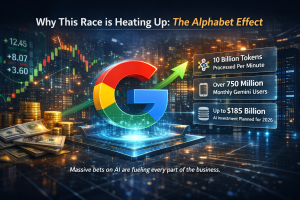
- Why This Race is Heating Up: The Alphabet Effect
This intense competition is fueled by massive financial bets. The newsletter highlights that Alphabet (Google’s parent) just crushed earnings, with AI fueling nearly every business line.
- Gemini now processes 10 billion tokens per minute.
- The Gemini App has surpassed 750 million monthly users.
- Alphabet plans to spend up to $185 billion on AI infrastructure in 2026—nearly double last year’s spend.
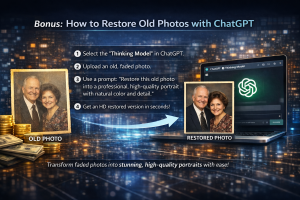
- Bonus: How to Restore Old Photos with ChatGPT
Amidst the model wars, there’s a simple, powerful trick you can use right now:
- Go to ChatGPT and select the ‘Thinking Model’ for best results.
- Upload an old, faded photo.
- Use a prompt like: “Restore this old photo into a professional, high-quality portrait with natural color and detail.”
- Within seconds, ChatGPT returns a restored, HD version of your image.
The Bottom Line
The Anthropic-OpenAI rivalry is pushing AI capabilities forward at breakneck speed. With Claude Opus 4.6’s “agent teams” and OpenAI’s new Frontier platform, we’re moving from simple chatbots to sophisticated, collaborative workforces. The future of work is being built in real-time.