

The Ultimate Guide to Digital Marketing Channels
The Evolving World of Digital Marketing
In today’s fast-paced digital landscape, having a strong online presence isn’t just an advantage—it’s a necessity. The way businesses connect with customers has fundamentally shifted from traditional billboards and TV spots to a complex, interconnected web of digital touchpoints. For any modern business, understanding and leveraging these channels is the key to unlocking sustainable growth.

What are digital marketing channels?
Digital marketing channels are the various platforms and mediums businesses use to connect with potential and existing customers online.
Think of them as different paths you can take to reach your audience, each with its own rules, audience, and strengths.

From the search results you see on Google to the videos you watch on TikTok, these channels form the backbone of modern marketing strategy.
Why understanding them matters for business growth
Simply being online isn’t enough. A haphazard approach—posting randomly on social media or writing a blog without a strategy—leads to wasted resources and missed opportunities.

By understanding the unique role and function of each channel, you can create a synergistic marketing mix that attracts, engages, and converts your target audience efficiently, driving real business growth.
- Search Engine Optimization (SEO)
SEO is the art and science of making your website attractive to search engines like Google.

It’s a long-term strategy focused on earning organic (unpaid) traffic.
- How SEO drives organic traffic: When your site ranks high for relevant search queries, it becomes a 24/7 lead and sales generation machine. Users actively searching for your products or services find you precisely when they need you, making this one of the highest-converting channels.
- On-page, off-page, and technical SEO essentials:
- On-Page SEO: Optimizing elements on your web pages, including content quality, keyword usage, title tags, and meta descriptions.
- Off-Page SEO: Building your site’s authority and reputation, primarily through backlinks from other reputable websites.
- Technical SEO: Improving the backend of your site, such as site speed, mobile-friendliness, and site structure, so search engines can crawl and index it effectively.

- Pay-Per-Click Advertising (PPC)
PPC is the method of buying visits to your website through paid ads. It’s the fastest way to drive targeted traffic.
- How paid ads work on Google and social media: You create and place ads on platforms like Google Ads (search and display network) or Meta Ads (Facebook, Instagram). You only pay when someone clicks on your ad. These platforms allow for incredibly precise targeting based on demographics, interests, and behaviors.
- Balancing ad spend and ROI: The key to successful PPC is a positive Return on Investment (ROI). This requires careful budget management, continuous A/B testing of ad copy and visuals, and optimizing your campaigns to lower your cost-per-click (CPC) while increasing conversion rates.

- Social Media Marketing (SMM)
SMM is about using social platforms to build your brand, connect with your audience, and drive traffic.
- Building brand presence on platforms like Instagram, LinkedIn, and TikTok: Your platform choice depends on your audience. B2C brands often thrive on visually-driven platforms like Instagram and TikTok, while B2B companies find more value in the professional network of LinkedIn.

- Paid vs. organic strategies: A balanced approach is crucial.
- Organic: Building community, engaging with comments, and sharing valuable content without a direct ad spend.
- Paid: Using the platforms’ advertising tools to amplify your best content to a highly targeted audience beyond your current followers.

- Content Marketing
Content marketing is the strategic creation and distribution of valuable, relevant content to attract and retain a defined audience.

- Creating value-driven blogs, videos, and infographics: The goal is to answer your audience’s questions and solve their problems, not to hard-sell. A software company might write a blog post on “How to Solve [Common Industry Problem],” while a restaurant could create a video on “How to Host a Perfect Dinner Party.”

- How storytelling builds authority and engagement: Good content tells a story. It builds trust and positions your brand as an authoritative voice in your industry. This “know, like, and trust” factor is what eventually turns readers into customers.

- Email Marketing
Far from being dead, email marketing remains one of the most effective and highest-ROI channels for nurturing leads and driving sales.

- Crafting personalized campaigns that convert: This goes beyond using a first name. It’s about sending the right message to the right person at the right time—a discount code for a cart abandoner, a welcome series for a new subscriber, or a re-engagement campaign for a lapsed customer.

- Automation, segmentation, and analytics: Tools like Mailchimp or Klaviyo allow you to:
- Segment your list based on behavior or demographics.
- Automate email sequences to nurture leads without manual effort.
- Analyze open rates, click-through rates, and conversions to continually refine your strategy.

- Influencer and Affiliate Marketing
This channel leverages the trust and audience of individuals to promote your products or services.
- Collaborating with creators and niche partners: Instead of marketing directly, you partner with influencers who have an engaged following in your niche. Similarly, affiliate marketing involves partnering with individuals or websites who earn a commission for promoting your product and driving a sale.

- Measuring authenticity and impact: Success here hinges on choosing partners whose values align with your brand. Micro-influencers (10k-100k followers) often have higher engagement and more authentic influence than mega-celebrities. Track performance using unique discount codes and affiliate links.

- Video Marketing
Video has become the dominant form of content consumption online, offering unparalleled engagement.

- Why video dominates engagement: It’s dynamic, easily digestible, and can convey emotion and information more effectively than text alone.
- Platforms, formats, and short-form trends:
- Platforms: YouTube for long-form educational content, TikTok and Instagram Reels for short-form, entertaining clips, and LinkedIn Video for professional insights.
- Formats: Include tutorials, behind-the-scenes clips, customer testimonials, and live streams.

- Mobile Marketing
With most internet traffic now coming from mobile devices, a mobile-first strategy is non-negotiable.

- Reaching audiences through apps, push notifications, and SMS: This includes in-app advertisements, sending targeted push notifications from your own app, and running permission-based SMS marketing campaigns for time-sensitive offers.

- Importance of mobile optimization: If your website or email isn’t optimized for mobile, you are alienating the majority of your audience. A slow or clunky mobile experience will directly lead to lost sales.

- Display and Programmatic Advertising
These are the banner ads you see on websites across the internet. Programmatic advertising is the automated, AI-driven process of buying and placing these ads.

- Banner ads, retargeting, and AI-driven ad placements: Display ads are great for building brand awareness. Retargeting is a powerful tactic that shows your ads to people who have previously visited your website, reminding them to return and complete a purchase.

- How programmatic advertising increases efficiency: Instead of manually negotiating ad placements, programmatic technology uses AI to automatically bid on and place your ads in front of your target audience across thousands of websites in milliseconds, ensuring optimal use of your ad budget.

- Analytics and Conversion Tracking
Data is what separates a guess from a strategy. Without analytics, you’re marketing in the dark.

- Using data to measure performance across channels: You need to know which channels are driving traffic, leads, and sales. This allows you to double down on what’s working and cut what’s not.

- Tools for insights and optimization: Google Analytics (GA4) is the industry standard for tracking website behavior. Google Search Console provides vital SEO data. Platform-specific insights (like Meta Business Suite) help you understand your social media performance.

Conclusion: Choosing the Right Mix for Your Brand
There is no one-size-fits-all formula for digital marketing success. The perfect channel mix is unique to your business, your audience, and your goals.

How to align marketing channels with your business goals:
- Goal: Brand Awareness? Focus on SEO, Content Marketing, and broad-reach Social Media & Video campaigns.
- Goal: Lead Generation? Prioritize SEO, targeted PPC, and Email Marketing gated by valuable content.
- Goal: Direct Sales? Leverage E-commerce SEO, Retargeting PPC, and Conversion-Focused Email Marketing.
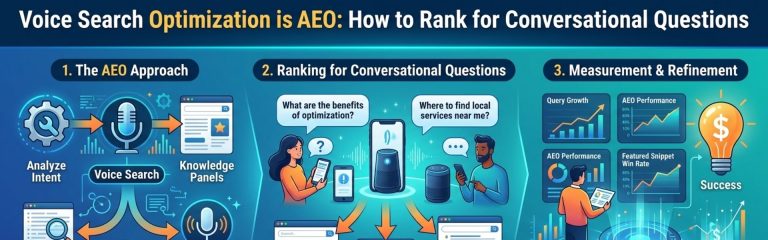
Future trends shaping digital marketing: The future is headed toward even greater personalization and automation, powered by AI. Voice search, privacy-focused marketing, and interactive content are also rising in importance.

The key to staying ahead is to remain agile, continuously learn, and always keep your audience’s needs at the center of your strategy. By mastering these channels, you’re not just running campaigns—you’re building a resilient, growth-oriented business for the digital age.