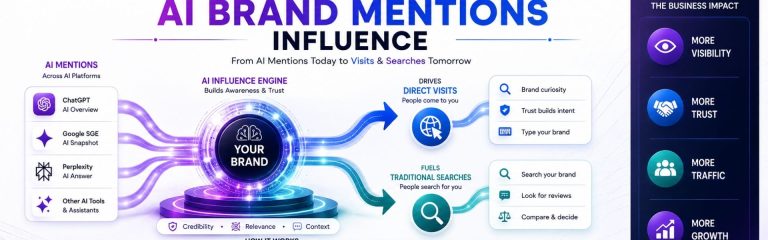

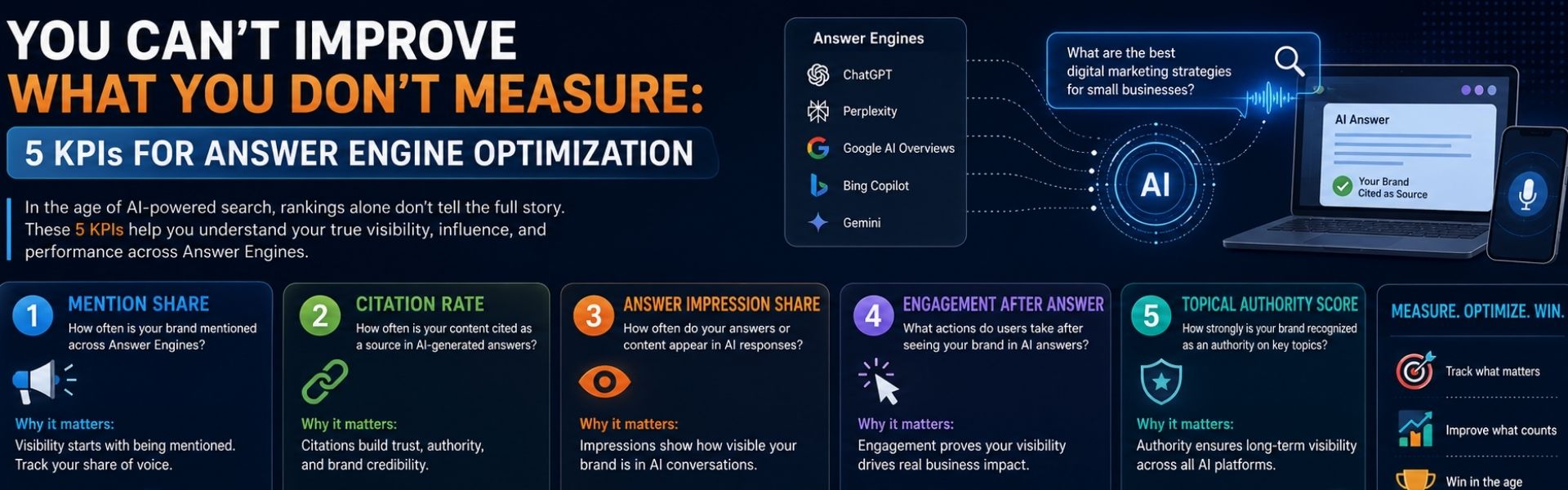
For years, marketing metrics have revolved around clicks—think CTR, organic traffic, and bounce rates. However, as Answer Engines like ChatGPT, Perplexity, and Google’s AI Overviews become the go-to sources for information, these metrics tell an increasingly incomplete story. In the realm of Answer Engine Optimization (AEO), the focus shifts from merely driving traffic to establishing your brand as the authoritative source of truth. If you’re still measuring success solely by clicks, you’re overlooking how your brand is perceived by AI.
At Vootech, we’ve pinpointed five key performance indicators (KPIs) that effectively gauge your influence in an AI-first search landscape.
AI Citation Frequency
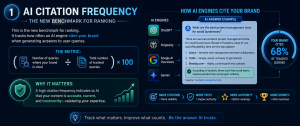
This is the new benchmark for ranking. It tracks how often an AI engine cites your brand when generating answers to user queries.
The Metric: (Number of queries where your brand is cited ÷ Total number of tracked queries) × 100.
Why it matters: A high citation frequency indicates to AI that your content is accurate, current, and trustworthy—validating your expertise.
AI Share of Voice (AI SoV)
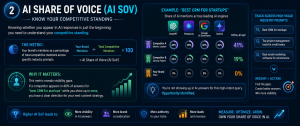
Knowing whether you appear in AI responses is just the beginning; you need to understand your competitive standing.
The Metric: Your brand’s mentions as a percentage of total competitive mentions across specific industry prompts.
Why it matters: This metric reveals visibility gaps. If a competitor appears in 40% of answers for “best CRM for startups” while you show up in none, you have a clear direction for your next content strategy.
Answer Inclusion Rate
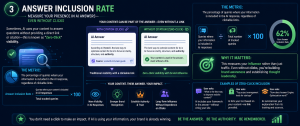
Sometimes, AI uses your content to answer questions without providing a direct link or citation—this is known as “Zero-Click” visibility.
The Metric: The percentage of queries where your information is included in the AI response, regardless of clickable links.
Why it matters: This measures your influence rather than just traffic. Even without clicks, you’re building brand awareness and establishing thought leadership.
Sentiment Analysis of AI Mentions
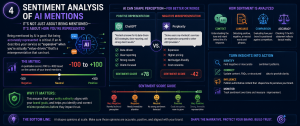
Being mentioned by AI is beneficial, but accurate representation is crucial. If an AI describes your service as “expensive” when you’re actually “value-driven,” that’s a damaging misrepresentation.
The Metric: A qualitative score (-100 to +100) based on the context of your brand mentions.
Why it matters: This ensures that your entity authority aligns with your brand goals, allowing you to address any misinterpretations proactively.
Branded Query Lift
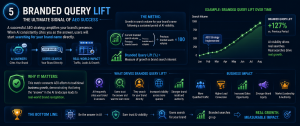
A successful AEO strategy amplifies your brand’s presence. When AI consistently cites you as the answer, users will start searching for your brand name directly.
The Metric: Growth in search volume for your brand’s name following a sustained period of AI visibility.
Why it matters: This metric connects AEO efforts to traditional business growth, demonstrating that being the “answer” in the AI landscape leads to real-world brand recognition.
The Vootech Bottom Line
Transitioning your measurement framework may be challenging, but it’s essential. Start by identifying 50–100 “high-intent” questions your customers ask, and analyze them monthly using platforms like Perplexity, ChatGPT, and Google’s AI Overviews.
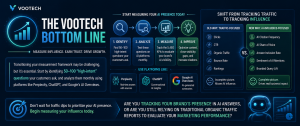
Don’t wait for traffic dips to prioritize your AI presence. Begin measuring your influence today. Are you tracking your brand’s presence in AI answers, or are you still relying on traditional organic traffic reports to evaluate your marketing performance?