Archives August 2025

Core Components Of Digital Marketing: An Overview

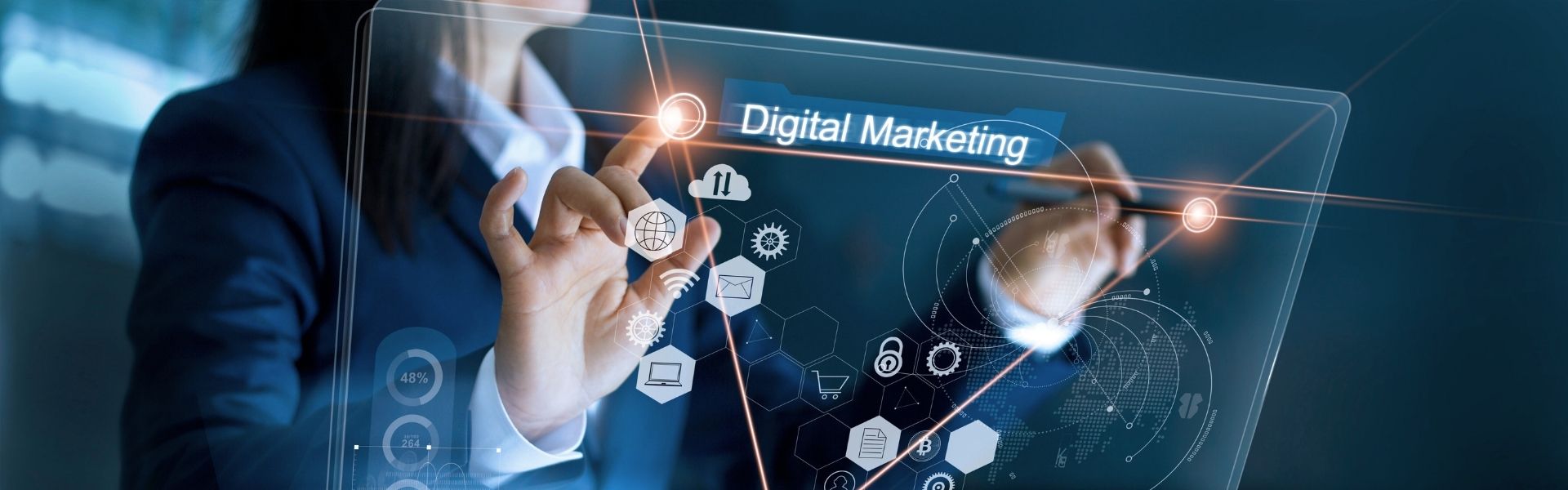
Businesswoman using virtual interface for digital marketing strategy

Why Understanding Digital Marketing Components Matters

In today’s hyperconnected world, customers are constantly online — searching, scrolling, comparing, and purchasing. Whether you’re a startup founder, marketing professional, or small business owner, understanding the core components of digital marketing is no longer optional — it’s essential for success.


Here’s why:

  1. Helps You Reach the Right Audience

Each component of digital marketing — SEO, SEM, social media, email — allows you to target specific audiences based on location, interests, behaviour, or demographics. Knowing how they work ensures your message reaches the people most likely to buy from you.

  1. Maximizes ROI (Return on Investment)

Digital marketing is cost-effective — if you use it wisely. By understanding which channels work best for which goals (brand awareness, lead generation, conversions), you can allocate your budget more efficiently and avoid wasting resources.

  1. Enables Smarter Decision Making

When you understand how each component works, you can better analyze results, optimize campaigns, and make data-driven decisions. For example, if SEO brings more long-term value but paid ads provide a short-term boost, you can balance both strategically.

4.Improves Customer Engagement & Retention

Each component plays a role in the customer journey — from discovering your brand (SEO/social) to engaging (content/email) to buying (ads/conversions). When used together, they build trust and loyalty through consistent, personalized communication.

5.Builds a Stronger Marketing Strategy

Digital marketing isn’t just about being online — it’s about being strategic and coordinated. Understanding the components helps you integrate them effectively rather than treating them as separate tactics. This results in stronger branding, better results, and a cohesive customer experience.

6.Future-Proofs Your Business

Technology and consumer behaviour evolve constantly. By mastering the fundamentals — and knowing how each component adapts to trends like AI, voice search, and short-form video — you keep your business agile, competitive, and future-ready.

The Digital Marketing Ecosystem at a Glance

Digital marketing works best when each component supports and amplifies the others. Rather than operating in silos, SEO, content, social media, email, SEM, and analytics are most powerful when combined into a holistic strategy that drives consistent growth.

Let’s break it down:

  1. SEO & Content: The Foundation of Discoverability
  • How they work together: SEO helps you understand what your audience is searching for, while content provides the answers. Optimized blog posts, landing pages, and product descriptions help you rank higher and build trust.
  • Example: A blog titled “Top 10 Eco-Friendly Travel Tips” ranks on Google and brings in organic traffic weekly.
  1. Social Media Amplifies Content Reach
  • How they work together: Social media acts as a megaphone for your content and promotions. It drives traffic to your website, boosts visibility, and engages your audience in real-time.
  • Example: That blog from SEO? You share it on Instagram, LinkedIn, and Facebook with a CTA to read more — driving clicks and shares.


  1. SEM Supports Short-Term Goals While SEO Builds Long-Term Value
  • How they work together: SEO takes time, but SEM (paid ads) gives you instant visibility. Paid ads can support new product launches, while SEO builds steady traffic over time.
  • Example: While your new service page is building organic rank, you run Google Ads targeting key buying terms like “affordable CRM software UAE.”
  1. Email Nurtures the Traffic You Attract
  • How they work together: Visitors from SEO, SEM, or social media are encouraged to sign up for your newsletter. Once in your list, email marketing keeps them engaged and brings them back with offers and content.
  • Example: After downloading a free guide from your website, a lead receives a 5-email nurture sequence that eventually converts them into a customer.
  1. Analytics: The Feedback Loop for All Channels
  • How they work together: Analytics connects the dots between all efforts. It tells you which blog posts bring the most traffic, which social posts drive clicks, and what emails have the best open rates.
  • Example: Google Analytics shows that your Facebook ad brought 200 users, but only 5 converted. You A/B test a new landing page to improve performance.

Why Integration Matters

An integrated digital strategy ensures that:

  • Your message is consistent across platforms
  • Leads don’t fall through the cracks
  • Every piece of content and every campaign works toward your business goals

When all channels speak to each other, the sum is far greater than the parts — delivering a smooth, valuable journey for your audience and better ROI for your business.

The Core Components Explained

Digital marketing is like a high-performance engine—each component plays a critical role in driving business growth. Let’s break down the six essential pillars and how they work together.

  1. SEO (Search Engine Optimization): Boosting Organic Visibility

Goal: Rank higher on Google without paying for ads.

Key Elements: On-Page SEO – Optimizing content, meta tags, and keywords (e.g., “best running shoes for flat feet”).
Off-Page SEO – Building backlinks from authoritative sites.
Technical SEO – Improving site speed, mobile-friendliness, and indexing.

Why It Matters:

  • 70% of clicks go to the first 5 Google results.
  • Long-term traffic growth (no ongoing ad costs).

Example: A local gym blogs about “Best Home Workouts” and ranks #1, attracting consistent visitors.

Futuristic AI interface showing SEO, social media, and content analytics.
SEO and PPC in search engine marketing diagram

  1. SEM (Search Engine Marketing): Instant Visibility with Paid Search

Goal: Buy top ad placements on Google/Bing for immediate traffic.

How It Works:

Google Ads / Bing Ads – Bid on keywords (e.g., “emergency plumber near me”).
Pay-Per-Click (PPC) – Only pay when someone clicks.
Retargeting Ads – Bring back website visitors who didn’t buy.

Why It Matters:

  • Fast results (unlike SEO, which takes months).
  • Highly targeted (show ads only to high-intent searchers).

Example: An e-commerce store runs Google Shopping Ads for “wireless headphones” and sees sales jump in 48 hours.

  1. Content Marketing: Building Value Through Storytelling

Goal: Attract and retain customers with useful, engaging content.

Key Formats:

Blogs (“How to Choose the Right CRM”)
Videos (Tutorials, product demos)
Infographics (Data visualization)
Long-Form Guides (E-books, whitepapers)

Why It Matters:

  • 3X more leads than traditional marketing.
  • Builds trust before selling.

Example: A SaaS company grows by publishing free “Marketing Automation 101” guides.

Content marketing concept with icons for blogs, videos, SEO, and social sharing
Social media marketing strategy with analytics dashboard

  1. Social Media Marketing: Engagement in Real Time

Goal: Build brand awareness and loyalty on platforms like Instagram, LinkedIn, and TikTok.

Key Strategies:

Organic Posts (Behind-the-scenes, polls, stories)
Paid Ads (Facebook/Instagram lead gen)
Influencer Collaborations (Leverage trusted voices)

Why It Matters:

  • 4.9B+ social media users worldwide.
  • Higher engagement than traditional ads.

Example: A skincare brand’s viral TikTok challenge increases sales by 200%.

  1. Email Marketing: Nurturing Leads & Driving Conversions

Goal: Turn subscribers into repeat buyers.

Key Tactics:

Segmentation (Send different emails to new vs. loyal customers)
Automation (Welcome series, abandoned cart emails)
Personalization (Use names, past purchases)

Why It Matters:

  • $42 ROI for every $1 spent.
  • Converts cold leads into buyers.

Example: An online bookstore recovers 15% of abandoned carts with a discount email.

Person using laptop for email marketing campaigns
Marketing team analyzing business performance charts

  1. Analytics & Data-Driven Marketing

Goal: Measure performance and optimize campaigns.

Key Tools & Metrics:

Google Analytics (Traffic sources, bounce rate)
Facebook Insights (Engagement rates)
Heatmaps (See where users click)

Why It Matters:

  • Stop wasting money on underperforming ads.
  • Double down on what works.

Example: A travel agency discovers 80% of bookings come from Instagram and shifts its ad spend.

How These Components Work Together

A winning digital strategy integrates multiple pillars:

  1. SEO + Content attract organic traffic.
  2. PPC Ads give an instant boost.
  3. Social Media builds engagement.
  4. Email Marketing nurtures leads.
  5. Analytics refines everything.

Example: A fitness brand:

  • Ranks for “best protein powder” (SEO)
  • Runs YouTube ads (PPC)
  • Posts workout tips on Instagram (SMM)
  • Sends weekly nutrition guides (Email)
  • Tracks which content converts best (Analytics)

Digital marketing isn’t about using every tool—it’s about using the right ones strategically.

Integrating the Core Components into a Unified Strategy


Digital marketing isn’t about using isolated tactics—it’s about creating a seamless, omnichannel experience where each component reinforces the others. Here’s how to build a cohesive strategy that maximizes reach, engagement, and conversions.

Why an Integrated Approach Wins

Customers interact with brands across multiple touchpoints:

  • Searching on Google
  • Scrolling on social media
  • Reading emails
  • Clicking on ads

If these experiences feel disconnected, you lose trust and sales.

Example:
A customer sees your Instagram ad → Visits your website → Gets a retargeting ad → Receives a follow-up email.
Result: 3X higher conversion rate than single-channel campaigns.

How to Create an Omnichannel Marketing Strategy

  1. Start with a Central Goal

Define what success looks like:

  • Brand awareness? → Focus on SEO + Social Media
  • Lead generation? → Use PPC + Email Marketing
  • Sales conversions? → Leverage Retargeting + Content Marketing
  1. Map the Customer Journey
Stage Components to Use Example
Awareness SEO, Social Media, Content Blog post ranks on Google
Consideration PPC, Email, Retargeting Facebook ad with a demo video
Decision Email, Chatbots, SMS Abandoned cart email with discount
Loyalty CRM, Social Engagement Exclusive member newsletter
  1. Sync Your Messaging Across Channels
  • Use consistent branding (colours, tone, offers).
  • Repurpose content (Turn a blog into a video, infographic, and social posts).
  • Retarget engaged users across platforms.

Example:
A travel agency:

  1. Publishes a blog: “10 Hidden Beaches in Bali” (SEO)
  2. Promotes it on Pinterest and Instagram (Social)
  3. Runs Google Ads targeting “Bali vacation deals” (PPC)
  4. Sends an email with a Bali travel guide (Email Marketing)
  5. Retargets visitors with a limited-time offer (Analytics + Ads)
  1. Use Data to Connect the Dots
  • Google Analytics 4 (GA4): Track cross-channel behaviour.
  • UTM Parameters: See which campaigns drive traffic.
  • CRM Integration: Link sales to marketing efforts.

Example:
An e-commerce store discovers:

  • Most buyers first discover them via Instagram
  • But convert after reading a blog review
    → They now focus on Instagram-to-blog retargeting.

Omnichannel Campaign Example: Product Launch

Goal: Sell a new smartwatch

  1. SEO: Optimize for “best fitness smartwatch 2024”
  2. Content: Publish a YouTube review + blog comparison
  3. Social Media: Teaser posts on Instagram + TikTok unboxing
  4. PPC Ads: Google Shopping ads + Facebook retargeting
  5. Email: Early-bird discount to subscribers
  6. Analytics: Track which channel drove the most sales

Result: 50% more conversions than a single-channel launch.


Conclusion: Building a Resilient Digital Marketing Foundation

Digital marketing strategy icons with megaphone illustration

In today’s fast-moving digital landscape, businesses don’t just need a marketing strategy—they need a flexible, data-driven foundation that adapts to changing algorithms, consumer behaviours, and emerging technologies.

Why Resilience Matters

  1. Algorithms Change – Google updates its search rules 500+ times/year.
  2. Platforms Evolve – TikTok didn’t exist 5 years ago; now it’s essential.
  3. Customer Expectations Shift – 72% expect personalized experiences.

A resilient digital marketing strategy:

  • Scales with your business
  • Pivots when platforms change
  • Optimizes based on real-time data

Real-World Example: A Resilient Strategy in Action

Business: Eco-friendly sneaker brand
Challenge: Compete with Nike & Adidas on a small budget

Solution:

  1. SEO: Blogged about “Are Vegan Sneakers Durable?” → Ranked #1
  2. Social Media: Launched a #GoGreenWithUs TikTok challenge
  3. Email: Sent personalized offers to repeat buyers
  4. PPC: Ran Google Shopping ads for high-intent searches
  5. Analytics: Found Instagram drove most sales → Shifted budget

Result: 300% revenue growth in 12 months.

Your Next Steps

  1. Start Small – Focus on one component (e.g., SEO or email).
  2. Integrate – Add another channel once you see results.
  3. Optimize – Let data guide your decisions.

Remember: Digital marketing isn’t “set it and forget it.” The most successful brands test, learn, and adapt constantly.


What Is Digital Marketing? A Beginner’s Guide

Business professional writing “Digital Marketing” surrounded by hand-drawn marketing icons

Introduction to Digital Marketing

In a world where nearly everything is just a tap away, digital marketing has become the heartbeat of modern business. Whether you’re booking a holiday, buying a gift, or searching for a bakery nearby — chances are, you’re doing it online.

Digital marketing refers to all marketing efforts that use the internet or electronic devices. Businesses use channels like search engines, social media, email, websites, and even mobile apps to connect with current and potential customers.

But digital marketing is more than just being online — it’s about being visible, valuable, and relevant to the right audience at the right time. It’s how small startups can compete with industry giants, and how brands build relationships in real time.

Whether you’re a business owner, freelancer, or curious learner, understanding digital marketing is no longer optional — it’s essential. In this guide, we’ll explore what it is, how it works, and why mastering it can open doors to growth, reach, and opportunity in the digital-first age.

The Birth of Digital Marketing: Where It All Began

1971: The First Email (USA)

  • Ray Tomlinson, an American engineer, sent the first email between two computers.
  • This laid the foundation for digital communication and, eventually, email marketing.

1978: The First Spam Email (USA)

  • Gary Thuerk, a marketing manager at Digital Equipment Corp, sent the first mass email to 400 users on ARPANET (early internet).
  • This was the first digital marketing campaign, though controversial.

1980s-1990s: The Rise of Search Engines & Websites

  • 1990: Tim Berners-Lee (UK) invented the World Wide Web, revolutionizing online information sharing.
  • 1991: The first clickable web banner ad appeared (by Global Network Navigator).
  • 1994: Yahoo! launched, becoming the first major search directory.
  • 1996: Hot Wired (Wired Magazine) sold the first banner ads to AT&T and IBM.

1998: Google Changes Everything (USA)

  • Larry Page & Sergey Brin launched Google, introducing algorithm-based search rankings.
  • SEO (Search Engine Optimization) was born as businesses competed to rank higher.

2000s: Social Media & Digital Marketing Boom

  • 2003: LinkedIn launched, followed by MySpace and Facebook (2004).
  • 2006: Google Ads (AdWords) became a dominant force in PPC advertising.
  • 2007: The iPhone debuted, making mobile marketing essential.
  • 2010s: Instagram (2010), Snapchat (2011), and TikTok (2016) transformed influencer marketing.

2020s: AI & Personalization Dominate

  • AI-driven ads (Google & Meta)
  • Voice search & smart assistants (Alexa, Siri)
  • Short-form video marketing (TikTok, Reels)

Businessman analyzing data using AI-powered digital interface

The Evolution of Marketing: Traditional vs. Digital

Imagine it’s 1995. A business owner spends $10,000 on a billboard, a newspaper ad, and a radio spot. They wait weeks—maybe months—to see if it works.

Fast forward to 2025. That same business spends $500 on a Facebook ad, Google SEO, and an email campaign—and knows within hours if it’s working.

That’s the marketing revolution in a nutshell.

Round 1: Traditional Marketing – The Old Guard

What It Is

  • Billboards, TV/radio ads, newspapers, flyers, direct mail
  • One-way communication (business → consumer)
  • Broad targeting (e.g., “women aged 25-45”)

Strengths

Tangible & Trusted – People still remember catchy jingles.
Local Impact – A well-placed billboard can dominate a city.
Nostalgia Factor – Vintage ads have charm.

Weaknesses

Expensive – A 30-second Super Bowl ad costs $7 million.
Hard to Measure – Did that radio ad boost sales? Who knows?
No Engagement – Customers can’t click, share, or comment.

Example:

  • Coca-Cola’s “Share a Coke” campaign started with billboards and TV ads—but later exploded digitally with personalized bottles on social media.

Henry London bus stop watch ad showing hands with diverse watches
Food promo poster featuring Ayam Betutu and rice with condiments
Vintage-style Cuban restaurant menu with lunch, dessert, and drink options
Coca-Cola billboard with two bottles labeled Jamo and Caro on a red background

Round 2: Digital Marketing – The Game Changer

What It Is

  • SEO, social media, PPC ads, email marketing, influencers
  • Two-way interaction (business ↔ consumer)
  • Hyper-targeted (e.g., “vegans in Chicago who love yoga”)

Strengths

Cost-Effective – Run Facebook ads for $5/day.
Measurable – Track clicks, conversions, and ROI in real-time.
Engagement – Customers can like, share, and DM you instantly.

Weaknesses

Overcrowded – Everyone’s fighting for attention online.
Algorithm Changes – Google & Meta update rules constantly.
Short Attention Spans – You have 3 seconds to hook a scroller.

Example:

  • Dove’s “Real Beauty” campaign went viral on social media, boosting sales by $1.5 billion.

Dove Real Beauty Campaign with diverse older women

The Perfect Mix?

  • McDonald’s uses TV ads for mass appeal + TikTok challenges for Gen Z.
  • Nike runs billboards during the Olympics + Instagram Reels with athletes.

The Future? Digital Leads, But Traditional Still Plays

  • AI & personalization will dominate digital.
  • Experiential marketing (pop-ups, events) blends both worlds.
  • Voice search & AR ads are the next frontier.

Final Verdict:

Traditional = Brand Legacy
Digital = Growth & Engagement

The best strategy? Use both.

McDonald's digital marketing ad with computer programming theme

Core Components of Digital Marketing

The Essential Ingredients of Digital Marketing: A Recipe for Online Success

Imagine you’re throwing a party (your business). You want the right guests (customers) to show up, enjoy themselves (engage), and come back for more (loyalty). But how do you get them there?

That’s where digital marketing comes in—it’s your ultimate party planner, ensuring the right people find you, love what you offer, and keep returning.

Let’s break down the core components of digital marketing, with real-world examples to show how they work.

  1. SEO (Search Engine Optimization) – The Long-Term Guest Magnet

What it is: Optimizing your website to rank higher on Google.
Why it matters: 75% of users never scroll past the first page of search results.

Example:

  • Ahrefs dominates SEO by creating free tools and detailed guides.
  • A local bakery blogs about “Best Birthday Cakes in [City]” and appears in Google’s top results.

Futuristic AI interface showing SEO, social media, and content analytics.

  1. Content Marketing – The Storyteller

What it is: Creating valuable content (blogs, videos, infographics) to attract and retain customers.
Why it matters: Businesses with blogs get 55% more website visitors.

Example:

  • HubSpot’s blog teaches marketing, generating millions in leads.
  • Red Bull’s YouTube channel posts extreme sports videos (not ads), keeping fans engaged.

Digital content creation workspace with laptop, microphones, cameras, and social media icons

  1. Social Media Marketing (SMM) – The Crowd-Pleaser

What it is: Promoting your brand on platforms like Instagram, LinkedIn, and TikTok.
Why it matters: 4.9 billion people use social media—your customers are there.

Example:

  • Wendy’s Twitter roasts went viral, boosting brand awareness.
  • Glossier built a beauty empire through Instagram engagement.

Hands using smartphone with floating social media icons in heart shape

  1. PPC (Pay-Per-Click Advertising) – The Instant Boost

What it is: Paying for ads on Google, Facebook, or LinkedIn.
Why it matters: 
Immediate traffic (unlike SEO, which takes time).

Example:

  • Airbnb uses Google Ads to appear at the top for “vacation rentals near me.”
  • A small e-commerce store runs Facebook ads to target pet lovers.

Colorful depiction of Google Ads PPC dashboard and analytics

  1. Email Marketing – The Loyalty Builder

What it is: Sending targeted emails to nurture leads and retain customers.
Why it matters: 
Email has an average ROI of $42 for every $1 spent.

Example:

  • Amazon’s personalized emails (“You left something in your cart!”) drive sales.
  • TheSkimm grew a newsletter empire by delivering news in a fun, digestible way.

Laptop emitting digital envelopes symbolizing email marketing

  1. Affiliate Marketing – The Word-of-Mouth Engine

What it is: Partnering with others to promote your product for a commission.
Why it matters: Expands reach without upfront ad costs.

Example:

  • Amazon Associates lets bloggers earn by linking to products.
  • Nordstrom’s affiliate program drives sales through fashion influencers.

People interacting with a digital globe displaying "Affiliate Marketing" concept and icons

  1. Influencer Marketing – The Trust Factor

What it is: Collaborating with influencers to promote your brand.
Why it matters: 61% of consumers trust influencer recommendations.

Example:

  • Gymshark grew via fitness influencers on Instagram.
  • HelloFresh partners with YouTubers to showcase meal prep.

Woman managing multiple social media platforms from her laptop

  1. Mobile Marketing – The Pocket-Sized Strategy

What it is: Optimizing for smartphones (SMS, apps, mobile ads).
Why it matters: Over 60% of web traffic comes from mobile.

Example:

  • Starbucks’ app drives repeat sales with rewards.
  • Uber’s SMS notifications remind riders of discounts.

Futuristic mobile marketing platform with social media icons and digital audience

How These Components Work Together

Think of digital marketing like a pizza:

  • SEO & Content = The dough (foundation)
  • Social Media & PPC = The toppings (visibility)
  • Email & Influencers = The cheese (customer retention)
  • Mobile & Affiliate = The spices (extra reach)

Without one, the pizza just isn’t as good.

Why Digital Marketing is Crucial for Businesses Today

The Digital Marketing Diaries: How a Small Bakery Won the Internet (And How You Can Too)

Assorted fresh croissants and pastries in a glass display at a modern bakery.
Charming bakery storefront with croissant sign and blooming flowers.

Chapter 1: The Empty Shop

Once upon a time in downtown Toronto, a baker named Maria stared at her empty café.

Her croissants were flakier than French poetry, her sourdough could make a Michelin chef weep, yet only three customers trickled in daily.

One rainy Tuesday, a college student paid with her phone and said, “You should post these on Instagram!” Maria laughed. “I bake bread, not tweets.”

Chapter 2: The Awakening
The next morning, Maria Googled “best bakery Toronto.” Page 1 showed chains with soggy sandwiches. Her artisanal shop? Page 7 (aka “the graveyard”).

That’s when she met Aisha, a digital marketer sipping espresso at the counter.

“Your problem isn’t your croissants,” Aisha said. “It’s that Google thinks your bakery doesn’t exist.”

Chapter 3: The Five Digital Wands
Aisha revealed the magic every modern business needs:

  1. The Google Whisper (SEO)
    • Changed “Maria’s Bakery” to “Toronto’s Best Artisanal Sourdough | Maria’s”
    • Blogged about “Why French Butter Makes All The Difference”
      Result: 3 weeks later, her website appeared on Page 1 when foodies searched “best bread Toronto”
  2. The Instagram Spell
    • Posted slow-mo videos of chocolate dripping off pain
    • Used #TorontoFoodie (which locals actually searched)
      Result: One viral Reel brought 50 new customers the next day
  3. The Email Elixir
    • Started collecting emails (offered free cookie with sign-up)
    • Sent weekly “Secret Menu” newsletters
      Result: 30% of email subscribers became regulars
  4. The TikTok Time Machine
    • Showed “A Day in the Life of a Baker” at 4AM
    • Jumped on the #CroissantDance trend
      Result: 10,000 followers in 2 months
  5. The Facebook Fairy Dust
    • Ran $5/day ads to locals searching “birthday cakes near me”
      Result: 20 birthday orders in her first month

Chapter 4: The Digital Transformation
Six months later:

  • Maria hired two more bakers
  • Opened a baking class (sold out via Instagram DMs)
  • Got featured in Toronto Life (who found her through Google)

The Moral of the Story
Digital marketing isn’t about replacing the art of business – it’s about handing your perfect customers a map to your door. Maria still makes croissants the old-fashioned way… she just lets the internet handle the “Hey world, come eat these!” part.

Bakery staff arranging a variety of fresh pastries and bread in a display counter.
Baker removing freshly baked croissants and bread from a commercial oven in a rustic bakery kitchen.

Conclusion: Building a Strong Foundation for the Digital Age

Digital marketing isn’t just a buzzword—it’s the backbone of business success in the 21st century. As we’ve explored, it’s not about being everywhere online; it’s about being in the right place at the right time with the right message.

From search engines and social media to email and mobile apps, today’s digital tools give even the smallest business the power to reach a global audience, build meaningful relationships, and compete with giants. Whether you’re a local bakery or an international brand, digital marketing levels the playing field—if you know how to play the game.

But remember great digital marketing is not about algorithms or ads alone. It’s about understanding people—their habits, their pain points, and their desires—and using the right digital tools to serve them better, faster, and more authentically.

So, if you’re just starting your digital marketing journey:
Start small. Stay consistent. Keep learning.
Every tweet, blog, or SEO tweak is a step forward.

Because in today’s world, if you’re not online—you’re invisible.
But with digital marketing, you don’t just get seen.
You get remembered.

Related Posts

Join Our Newsletter